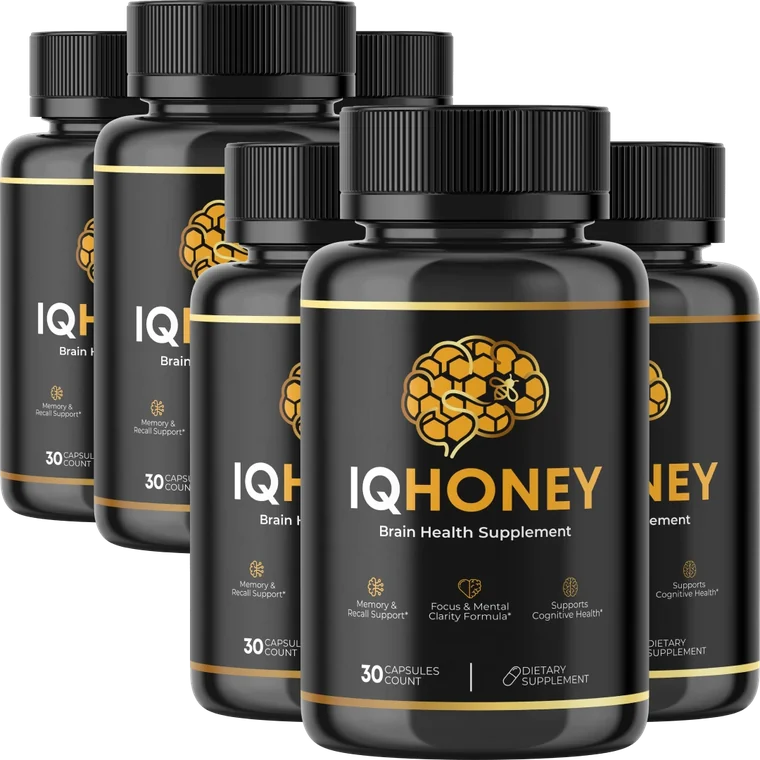
IQHoney Red Flags
Independent researchers have documented fake celebrity endorsements, unsupported disease-reversal claims, and an undisclosed proprietary blend in IQHoney marketing.
These are marketing-tactic concerns, separate from whether the ingredients themselves have any research support.
What independent scam researchers documented
Coverage from independent consumer-protection and scam-research sources has identified several specific concerns with IQHoney's advertising, distinct from the product's actual ingredient list.
1. Fabricated celebrity and doctor endorsements
Some IQHoney advertisements have used fake news-style pages, manipulated images, and AI-generated video to falsely suggest public figures endorsed the product or discovered a related formula. There is no verified evidence supporting any such endorsement. We do not reproduce this content here; if you encounter it, treat it as fabricated and verify any health claim through the public figure's own official channels.
2. Disease-reversal claims
Some promotions suggest a “secret honey mixture” can reverse Alzheimer's disease or dementia. No scientific evidence supports this for any honey-based supplement. Serious cognitive symptoms deserve evaluation by a qualified healthcare professional, not a supplement advertisement.
3. Undisclosed individual ingredient doses
All 11 ingredients are combined into one 1,400mg total. See our full dosage-math article for why this specific blend size raises questions.
4. Advertorial 'hidden ritual' storytelling
Some promotional campaigns use long-form video or article funnels that build anticipation around a secret formula before revealing the product for sale — a format designed to build trust and lower critical evaluation before the pitch.
5. Reported billing and refund complaints
Consumer-protection trackers including BBB Scam Tracker have logged reports connected to IQHoney-style marketing, citing confusing purchase terms and refund difficulties. Review the full subscription and refund terms carefully before ordering.
What this doesn't necessarily mean
These marketing red flags don't automatically mean the underlying capsules are unsafe or entirely without any effect — the named ingredients themselves have real, if narrowly studied, research behind them. But the tactics documented above are serious enough that we think every prospective buyer should read them before ordering, not after.